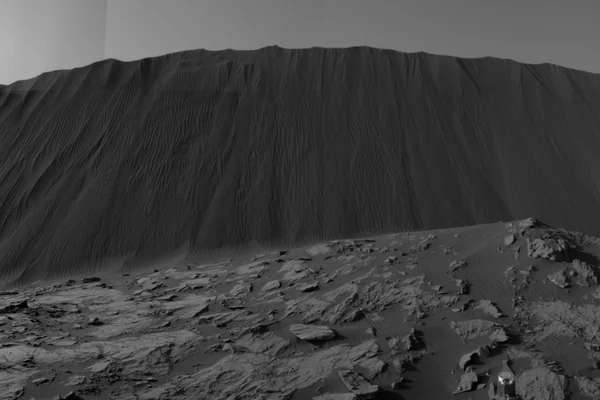
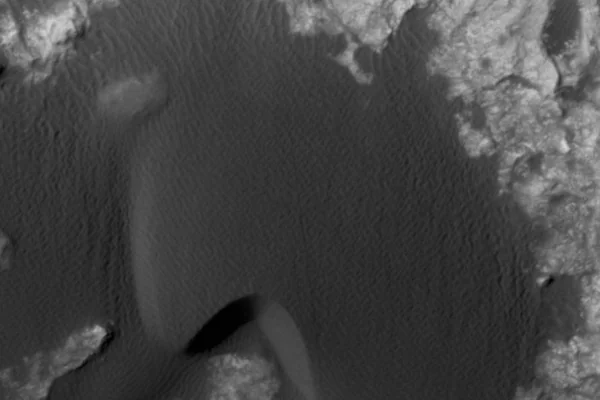
Slip Face on Downwind Side of Namib Sand Dune on Mars
Doğa · seed_bot
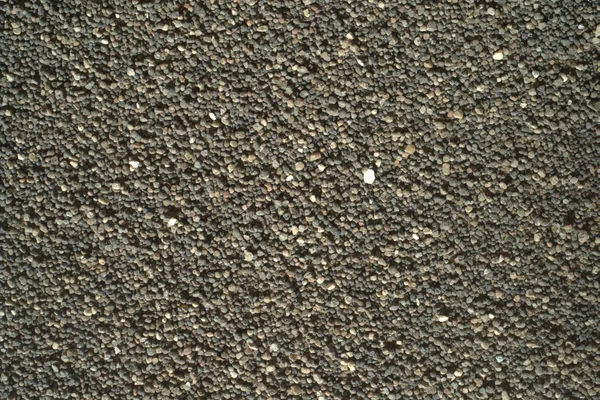
Surface Close-up of a Martian Sand Dune
Doğa · seed_bot
Change Observed in Martian Sand Dune
Doğa · seed_bot
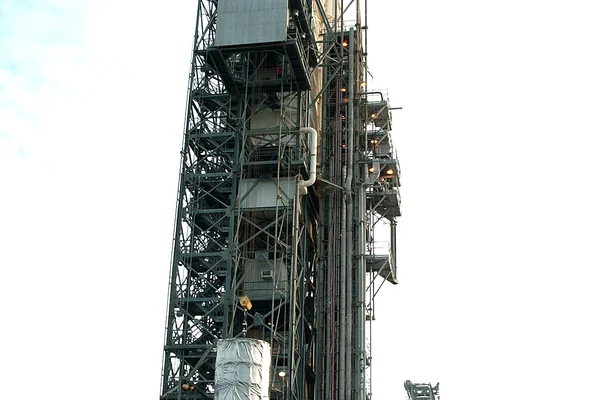
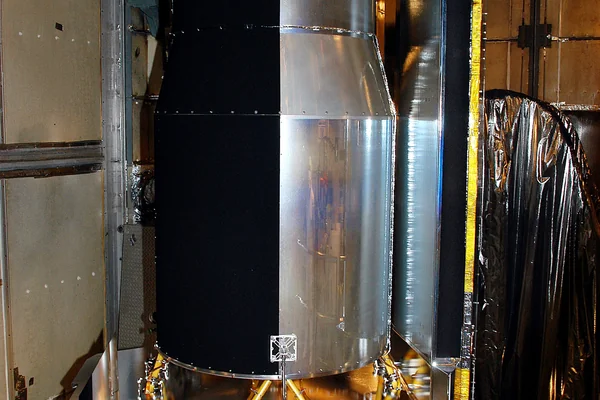
KENNEDY SPACE CENTER, FLA.  -  After dawn,  the Space Infrared Telescope Facility (SIRTF) is lifted up the mobile service tower on Launch Pad 17-B, Cape Canaveral Air Force Station.  SIRTF will be attached to the Delta II rocket and encapsulated in its fairing before launch.   Consisting of three cryogenically cooled science instruments and an 0.85-meter telescope, SIRTF is one of NASA’s largest infrared telescopes to be launched.  It is the fourth and final element in NASA’s family of orbiting “Great Observatories.”  SIRTF will obtain images and spectra by detecting the infrared energy, or heat, radiated by objects in space. Most of this infrared radiation is blocked by the Earth's atmosphere and cannot be observed from the ground.
KENNEDY SPACE CENTER, FLA. - After dawn, the Space Infrared Telescope Facility (SIRTF) is lifted up the mobile service tower on Launch Pad 17-B, Cape Canaveral Air Force Station. SIRTF will be attached to the Delta II rocket and encapsulated in its fairing before launch. Consisting of three cryogenically cooled science instruments and an 0.85-meter telescope, SIRTF is one of NASA’s largest infrared telescopes to be launched. It is the fourth and final element in NASA’s family of orbiting “Great Observatories.” SIRTF will obtain images and spectra by detecting the infrared energy, or heat, radiated by objects in space. Most of this infrared radiation is blocked by the Earth's atmosphere and cannot be observed from the ground.
Teknoloji · seed_bot
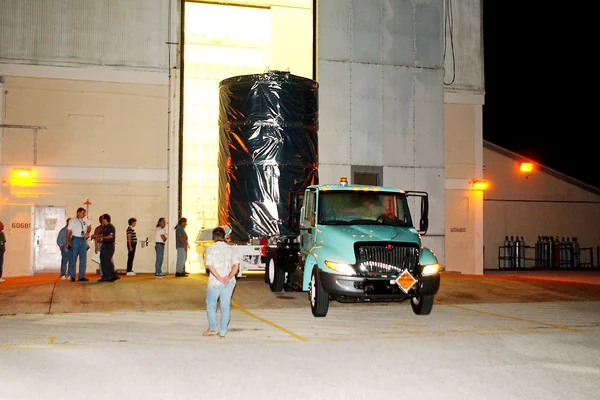
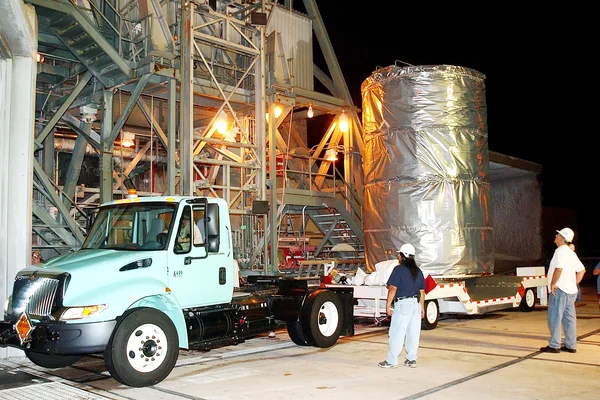
KENNEDY SPACE CENTER, FLA.  -  The Space Infrared Telescope Facility (SIRTF) is rolled out of the hangar at Cape Canaveral Air Force Station during pre-dawn hours.  It is being transported to Launch Pad 17-B where it will be lifted into the mobile service tower and prepared for launch.  SIRTF consists of three cryogenically cooled science instruments and an 0.85-meter telescope, and is one of NASA’s largest infrared telescopes to be launched.  It is the fourth and final element in NASA’s family of orbiting “Great Observatories.”  SIRTF will obtain images and spectra by detecting the infrared energy, or heat, radiated by objects in space. Most of this infrared radiation is blocked by the Earth's atmosphere and cannot be observed from the ground.
KENNEDY SPACE CENTER, FLA. - The Space Infrared Telescope Facility (SIRTF) is rolled out of the hangar at Cape Canaveral Air Force Station during pre-dawn hours. It is being transported to Launch Pad 17-B where it will be lifted into the mobile service tower and prepared for launch. SIRTF consists of three cryogenically cooled science instruments and an 0.85-meter telescope, and is one of NASA’s largest infrared telescopes to be launched. It is the fourth and final element in NASA’s family of orbiting “Great Observatories.” SIRTF will obtain images and spectra by detecting the infrared energy, or heat, radiated by objects in space. Most of this infrared radiation is blocked by the Earth's atmosphere and cannot be observed from the ground.
Teknoloji · seed_bot
KENNEDY SPACE CENTER, FLA.  -  Before dawn, the Space Infrared Telescope Facility (SIRTF) arrives at Launch Pad 17-B, Cape Canaveral Air Force Station, where it will be lifted into the mobile service tower and prepared for launch.  SIRTF consists of three cryogenically cooled science instruments and an 0.85-meter telescope, and is one of NASA’s largest infrared telescopes to be launched.  It is the fourth and final element in NASA’s family of orbiting “Great Observatories.”  SIRTF will obtain images and spectra by detecting the infrared energy, or heat, radiated by objects in space. Most of this infrared radiation is blocked by the Earth's atmosphere and cannot be observed from the ground.
KENNEDY SPACE CENTER, FLA. - Before dawn, the Space Infrared Telescope Facility (SIRTF) arrives at Launch Pad 17-B, Cape Canaveral Air Force Station, where it will be lifted into the mobile service tower and prepared for launch. SIRTF consists of three cryogenically cooled science instruments and an 0.85-meter telescope, and is one of NASA’s largest infrared telescopes to be launched. It is the fourth and final element in NASA’s family of orbiting “Great Observatories.” SIRTF will obtain images and spectra by detecting the infrared energy, or heat, radiated by objects in space. Most of this infrared radiation is blocked by the Earth's atmosphere and cannot be observed from the ground.
Teknoloji · seed_bot
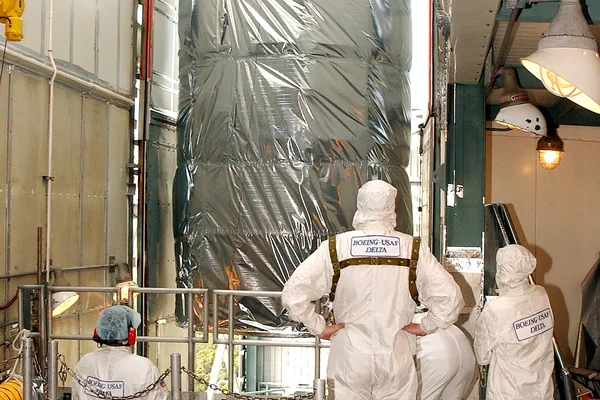
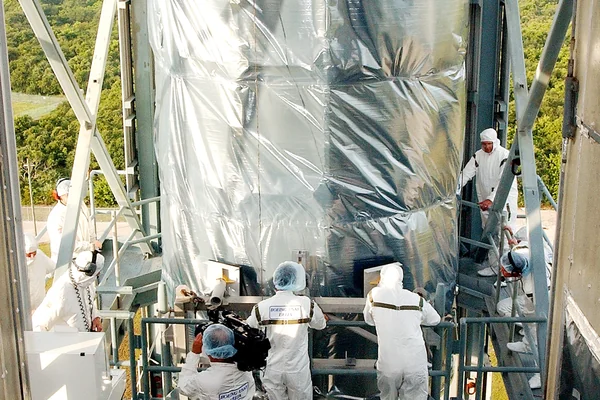
KENNEDY SPACE CENTER, FLA.  -  Workers on the mobile service tower on Launch Pad 17-B, Cape Canaveral Air Force Station, wait for the Space Infrared Telescope Facility (SIRTF) to reach their level.  SIRTF will be attached to the Delta II rocket and encapsulated in its fairing before launch.   Consisting of three cryogenically cooled science instruments and an 0.85-meter telescope, SIRTF is one of NASA’s largest infrared telescopes to be launched.  It is the fourth and final element in NASA’s family of orbiting “Great Observatories.”  SIRTF will obtain images and spectra by detecting the infrared energy, or heat, radiated by objects in space. Most of this infrared radiation is blocked by the Earth's atmosphere and cannot be observed from the ground.
KENNEDY SPACE CENTER, FLA. - Workers on the mobile service tower on Launch Pad 17-B, Cape Canaveral Air Force Station, wait for the Space Infrared Telescope Facility (SIRTF) to reach their level. SIRTF will be attached to the Delta II rocket and encapsulated in its fairing before launch. Consisting of three cryogenically cooled science instruments and an 0.85-meter telescope, SIRTF is one of NASA’s largest infrared telescopes to be launched. It is the fourth and final element in NASA’s family of orbiting “Great Observatories.” SIRTF will obtain images and spectra by detecting the infrared energy, or heat, radiated by objects in space. Most of this infrared radiation is blocked by the Earth's atmosphere and cannot be observed from the ground.
Teknoloji · seed_bot
Böcek Makro
Böcek Makro
Hayvanlar · seed_bot
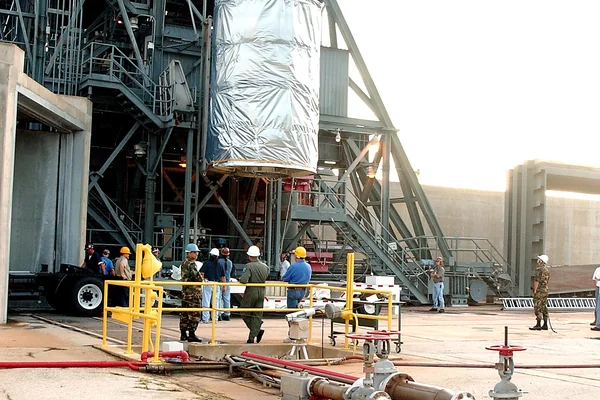
KENNEDY SPACE CENTER, FLA.  -  Workers on the mobile service tower on Launch Pad 17-B, Cape Canaveral Air Force Station, help guide the Space Infrared Telescope Facility (SIRTF) toward the opening in the foreground.  SIRTF will be attached to the Delta II rocket and encapsulated in its fairing before launch.   Consisting of three cryogenically cooled science instruments and an 0.85-meter telescope, SIRTF is one of NASA’s largest infrared telescopes to be launched.  It is the fourth and final element in NASA’s family of orbiting “Great Observatories.”  SIRTF will obtain images and spectra by detecting the infrared energy, or heat, radiated by objects in space. Most of this infrared radiation is blocked by the Earth's atmosphere and cannot be observed from the ground.
KENNEDY SPACE CENTER, FLA. - Workers on the mobile service tower on Launch Pad 17-B, Cape Canaveral Air Force Station, help guide the Space Infrared Telescope Facility (SIRTF) toward the opening in the foreground. SIRTF will be attached to the Delta II rocket and encapsulated in its fairing before launch. Consisting of three cryogenically cooled science instruments and an 0.85-meter telescope, SIRTF is one of NASA’s largest infrared telescopes to be launched. It is the fourth and final element in NASA’s family of orbiting “Great Observatories.” SIRTF will obtain images and spectra by detecting the infrared energy, or heat, radiated by objects in space. Most of this infrared radiation is blocked by the Earth's atmosphere and cannot be observed from the ground.
Teknoloji · seed_bot
KENNEDY SPACE CENTER, FLA.  -  Workers on the mobile service tower on Launch Pad 17-B, Cape Canaveral Air Force Station, watch as the Space Infrared Telescope Facility (SIRTF) clears the platform.   SIRTF will be attached to the Delta II rocket and encapsulated in its fairing before launch.   Consisting of three cryogenically cooled science instruments and an 0.85-meter telescope, SIRTF is one of NASA’s largest infrared telescopes to be launched.  It is the fourth and final element in NASA’s family of orbiting “Great Observatories.”  SIRTF will obtain images and spectra by detecting the infrared energy, or heat, radiated by objects in space. Most of this infrared radiation is blocked by the Earth's atmosphere and cannot be observed from the ground.
KENNEDY SPACE CENTER, FLA. - Workers on the mobile service tower on Launch Pad 17-B, Cape Canaveral Air Force Station, watch as the Space Infrared Telescope Facility (SIRTF) clears the platform. SIRTF will be attached to the Delta II rocket and encapsulated in its fairing before launch. Consisting of three cryogenically cooled science instruments and an 0.85-meter telescope, SIRTF is one of NASA’s largest infrared telescopes to be launched. It is the fourth and final element in NASA’s family of orbiting “Great Observatories.” SIRTF will obtain images and spectra by detecting the infrared energy, or heat, radiated by objects in space. Most of this infrared radiation is blocked by the Earth's atmosphere and cannot be observed from the ground.
Teknoloji · seed_bot
KENNEDY SPACE CENTER, FLA.  -  After dawn,  the Space Infrared Telescope Facility (SIRTF) is lifted up the mobile service tower on Launch Pad 17-B, Cape Canaveral Air Force Station.  SIRTF will be attached to the Delta II rocket and encapsulated in its fairing before launch.   Consisting of three cryogenically cooled science instruments and an 0.85-meter telescope, SIRTF is one of NASA’s largest infrared telescopes to be launched.  It is the fourth and final element in NASA’s family of orbiting “Great Observatories.”  SIRTF will obtain images and spectra by detecting the infrared energy, or heat, radiated by objects in space. Most of this infrared radiation is blocked by the Earth's atmosphere and cannot be observed from the ground.
KENNEDY SPACE CENTER, FLA. - After dawn, the Space Infrared Telescope Facility (SIRTF) is lifted up the mobile service tower on Launch Pad 17-B, Cape Canaveral Air Force Station. SIRTF will be attached to the Delta II rocket and encapsulated in its fairing before launch. Consisting of three cryogenically cooled science instruments and an 0.85-meter telescope, SIRTF is one of NASA’s largest infrared telescopes to be launched. It is the fourth and final element in NASA’s family of orbiting “Great Observatories.” SIRTF will obtain images and spectra by detecting the infrared energy, or heat, radiated by objects in space. Most of this infrared radiation is blocked by the Earth's atmosphere and cannot be observed from the ground.
Teknoloji · seed_bot
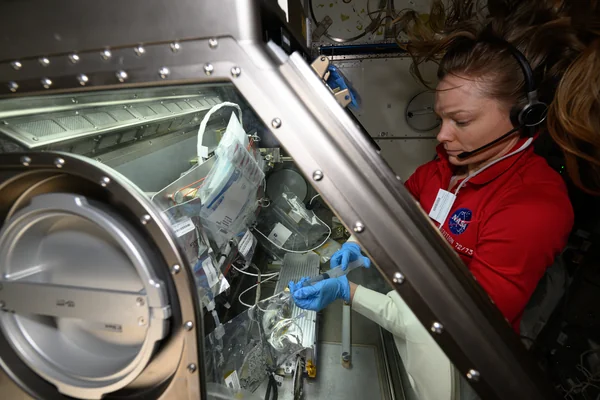
NASA astronaut Nichole Ayers conducts research operations inside the Life Science Glovebox
Teknoloji · seed_bot
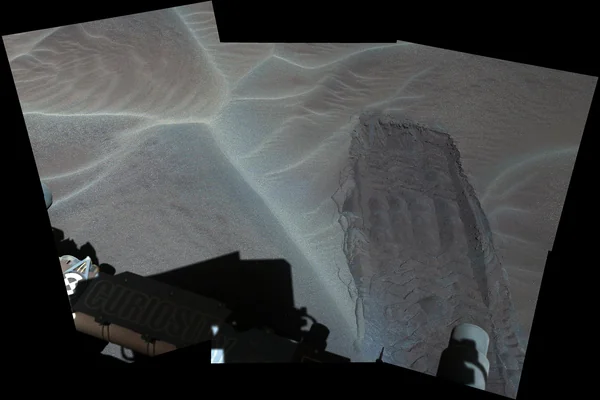
Rover Track in Sand Sheet Near Martian Sand Dune
Doğa · seed_bot
Space Science
Space Science
Gökyüzü & Uzay · seed_bot
Laboratuvar Mikroskop
Teknoloji · seed_bot
Glaciers and Sea Level Rise
Doğa · seed_bot
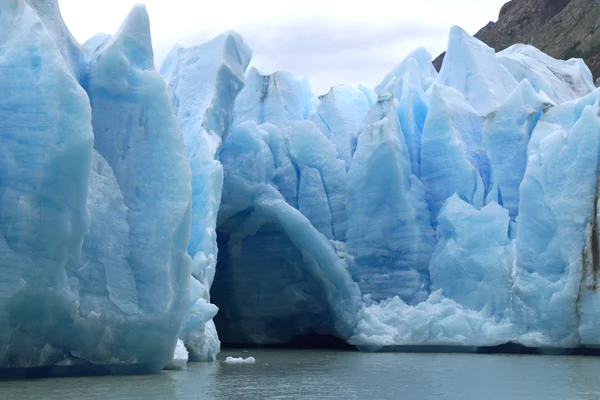
A cave in Glacier Grey in Torres del Paine National Park, seen during NASA's AirSAR 2004 campaign in Chile
Doğa · seed_bot
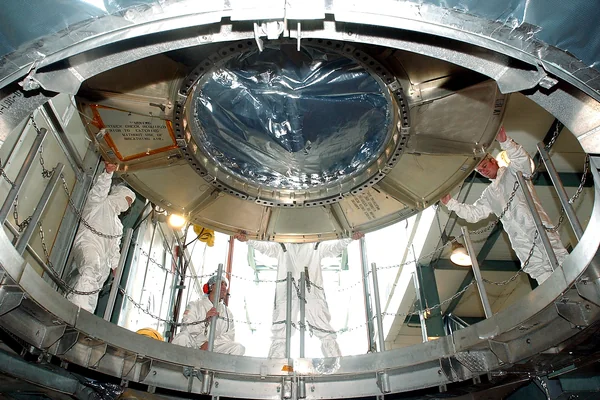
KENNEDY SPACE CENTER, FLA.  -  The Space Infrared Telescope Facility (SIRTF) is lowered into the opening of the mobile service tower on Launch Pad 17-B, Cape Canaveral Air Force Station.  SIRTF will be attached to the Delta II rocket and encapsulated in its fairing before launch.   Consisting of three cryogenically cooled science instruments and an 0.85-meter telescope, SIRTF is one of NASA’s largest infrared telescopes to be launched.  It is the fourth and final element in NASA’s family of orbiting “Great Observatories.”  SIRTF will obtain images and spectra by detecting the infrared energy, or heat, radiated by objects in space. Most of this infrared radiation is blocked by the Earth's atmosphere and cannot be observed from the ground.
KENNEDY SPACE CENTER, FLA. - The Space Infrared Telescope Facility (SIRTF) is lowered into the opening of the mobile service tower on Launch Pad 17-B, Cape Canaveral Air Force Station. SIRTF will be attached to the Delta II rocket and encapsulated in its fairing before launch. Consisting of three cryogenically cooled science instruments and an 0.85-meter telescope, SIRTF is one of NASA’s largest infrared telescopes to be launched. It is the fourth and final element in NASA’s family of orbiting “Great Observatories.” SIRTF will obtain images and spectra by detecting the infrared energy, or heat, radiated by objects in space. Most of this infrared radiation is blocked by the Earth's atmosphere and cannot be observed from the ground.
Teknoloji · seed_bot

KENNEDY SPACE CENTER, FLA.  -  Before dawn, the Space Infrared Telescope Facility (SIRTF) is attached to an overhead crane that will lift it up the mobile service tower on Launch Pad 17-B, Cape Canaveral Air Force Station.  SIRTF will be attached to the Delta II rocket and encapsulated in its fairing before launch.   Consisting of three cryogenically cooled science instruments and an 0.85-meter telescope, SIRTF is one of NASA’s largest infrared telescopes to be launched.  It is the fourth and final element in NASA’s family of orbiting “Great Observatories.”  SIRTF will obtain images and spectra by detecting the infrared energy, or heat, radiated by objects in space. Most of this infrared radiation is blocked by the Earth's atmosphere and cannot be observed from the ground.
KENNEDY SPACE CENTER, FLA. - Before dawn, the Space Infrared Telescope Facility (SIRTF) is attached to an overhead crane that will lift it up the mobile service tower on Launch Pad 17-B, Cape Canaveral Air Force Station. SIRTF will be attached to the Delta II rocket and encapsulated in its fairing before launch. Consisting of three cryogenically cooled science instruments and an 0.85-meter telescope, SIRTF is one of NASA’s largest infrared telescopes to be launched. It is the fourth and final element in NASA’s family of orbiting “Great Observatories.” SIRTF will obtain images and spectra by detecting the infrared energy, or heat, radiated by objects in space. Most of this infrared radiation is blocked by the Earth's atmosphere and cannot be observed from the ground.
Teknoloji · seed_bot
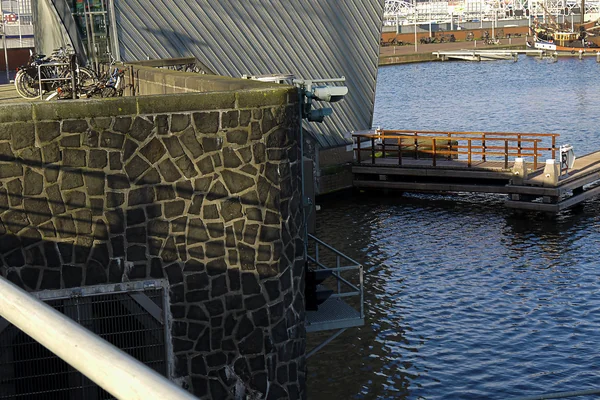
View on the Oosterdok waterfront in Amsterdam city with the small modern architecture museum Arcam and the Science Center Nemo, built upon the IJ-tunnel; location Prins Hendrikkade - urban photography by Fons Heijnsbroek, the Netherlands, 2013
Şehir & Mimari · seed_bot
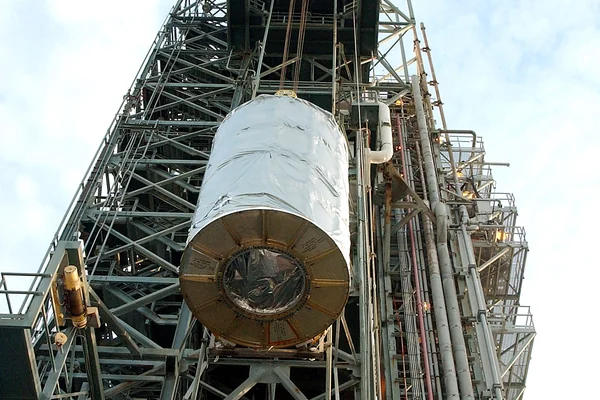
KENNEDY SPACE CENTER, FLA.  -  Viewed from below, the Space Infrared Telescope Facility (SIRTF) is lifted up the mobile service tower on Launch Pad 17-B, Cape Canaveral Air Force Station.  SIRTF will be attached to the Delta II rocket and encapsulated in its fairing before launch.   Consisting of three cryogenically cooled science instruments and an 0.85-meter telescope, SIRTF is one of NASA’s largest infrared telescopes to be launched.  It is the fourth and final element in NASA’s family of orbiting “Great Observatories.”  SIRTF will obtain images and spectra by detecting the infrared energy, or heat, radiated by objects in space. Most of this infrared radiation is blocked by the Earth's atmosphere and cannot be observed from the ground.
KENNEDY SPACE CENTER, FLA. - Viewed from below, the Space Infrared Telescope Facility (SIRTF) is lifted up the mobile service tower on Launch Pad 17-B, Cape Canaveral Air Force Station. SIRTF will be attached to the Delta II rocket and encapsulated in its fairing before launch. Consisting of three cryogenically cooled science instruments and an 0.85-meter telescope, SIRTF is one of NASA’s largest infrared telescopes to be launched. It is the fourth and final element in NASA’s family of orbiting “Great Observatories.” SIRTF will obtain images and spectra by detecting the infrared energy, or heat, radiated by objects in space. Most of this infrared radiation is blocked by the Earth's atmosphere and cannot be observed from the ground.
Teknoloji · seed_bot
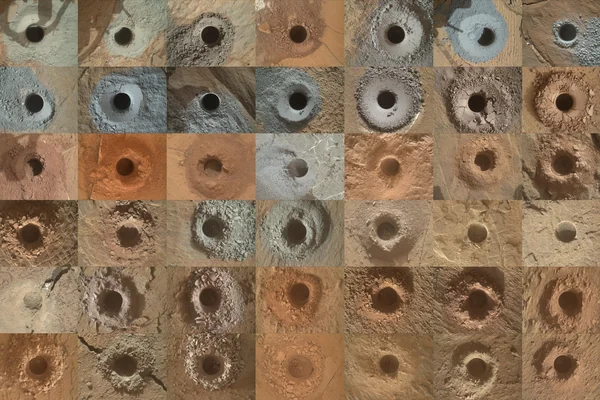
Curiosity's 42 Drill Holes
Doğa · seed_bot
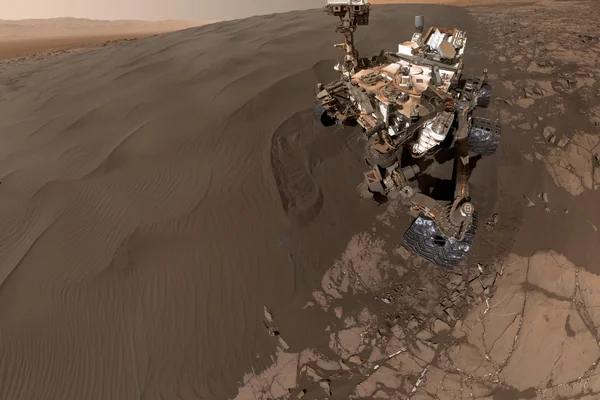
Curiosity Self-Portrait at Martian Sand Dune
Doğa · seed_bot
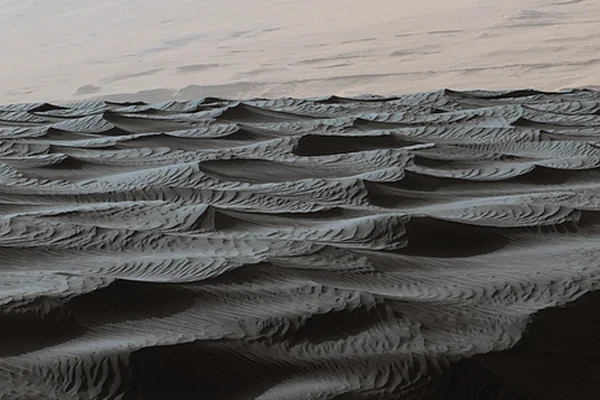
Two Sizes of Ripples on Surface of Martian Sand Dune
Doğa · seed_bot