Yıldızlı Gece 5
Yıldızlı Gece 5
Gökyüzü & Uzay · seed_bot
Gün Batımı 9
Gün Batımı 9
Doğa · seed_bot
Nehir Kıyısı 9
Nehir Kıyısı 9
Doğa · seed_bot
Aurora Borealis 8
Aurora Borealis 8
Gökyüzü & Uzay · seed_bot
Çam Ormanı 10
Çam Ormanı 10
Doğa · seed_bot
Bulut Denizi 15
Bulut Denizi 15
Gökyüzü & Uzay · seed_bot
Meteor Yağmuru 15
Meteor Yağmuru 15
Gökyüzü & Uzay · seed_bot
Şelale 9
Şelale 9
Doğa · seed_bot
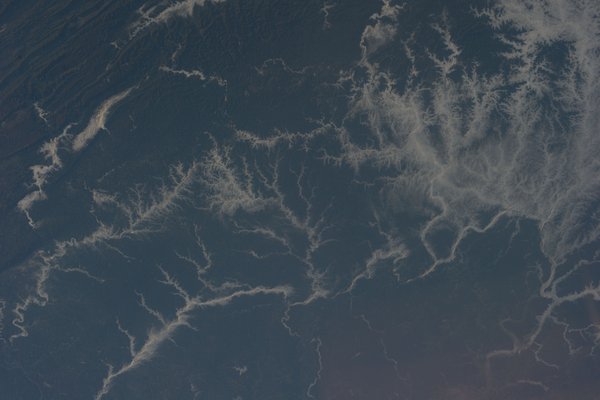
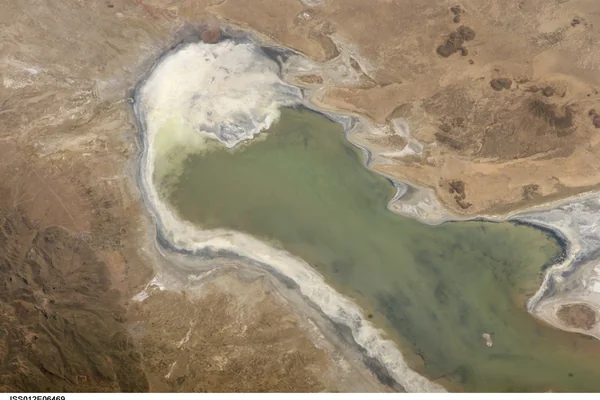
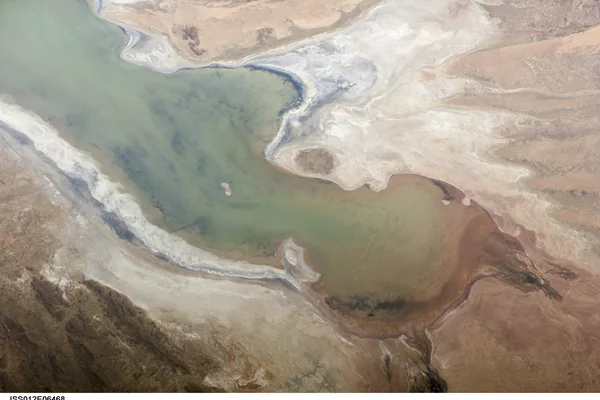
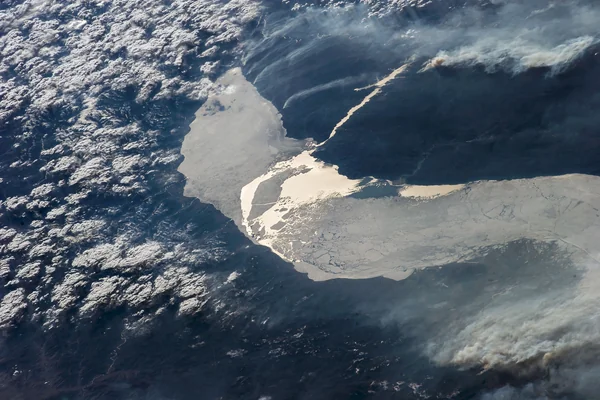
Crew Earth Observations over Bolivia taken during Expedition 12
Doğa · seed_bot
Crew Earth Observations over Bolivia taken during Expedition 12
Doğa · seed_bot
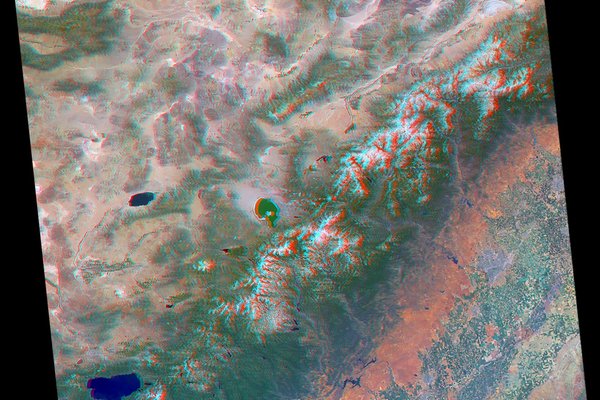
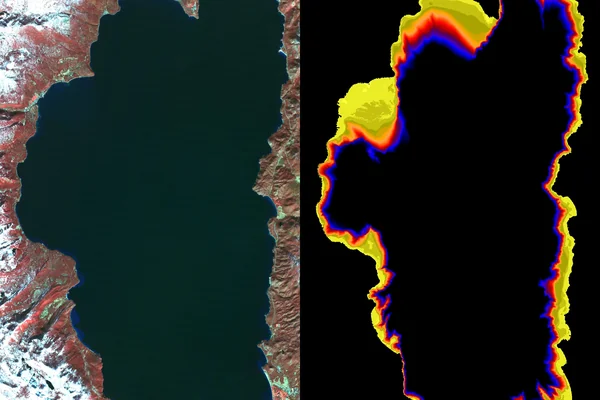
NASA Images Show Decreased Clarity in Lake Tahoe Water
Doğa · seed_bot
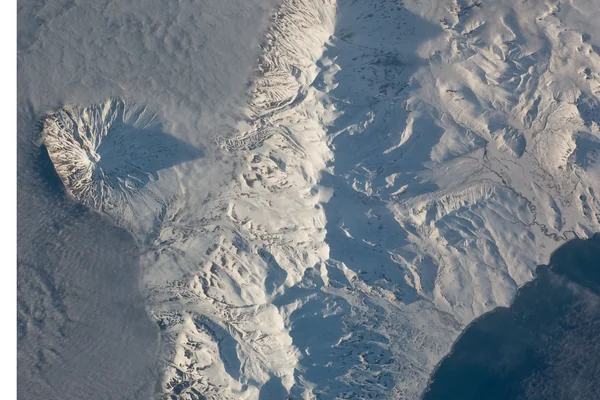
Earth Observations taken by the Expedition 23 Crew
Gökyüzü & Uzay · seed_bot
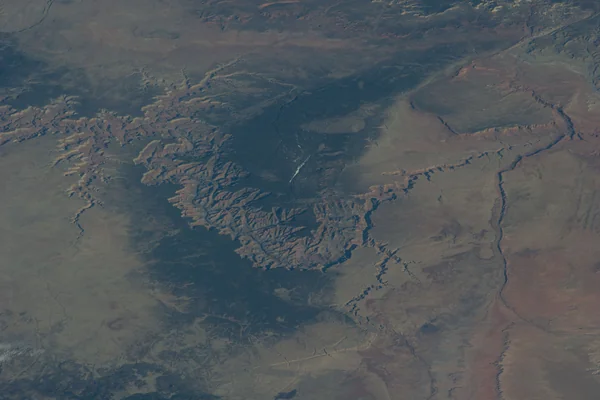
Earth Observations taken by the Expedition 39 Crew
Doğa · seed_bot
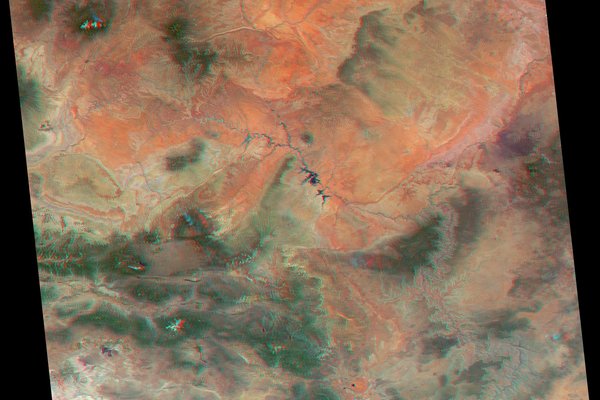
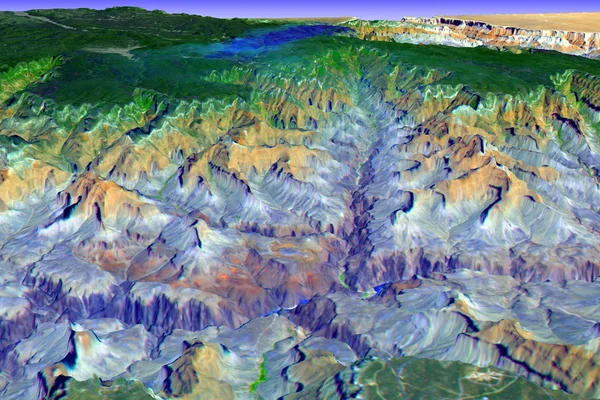
3-D View of Grand Canyon, Arizona
Doğa · seed_bot
Earth Observations taken by the Expedition 39 Crew
Doğa · seed_bot
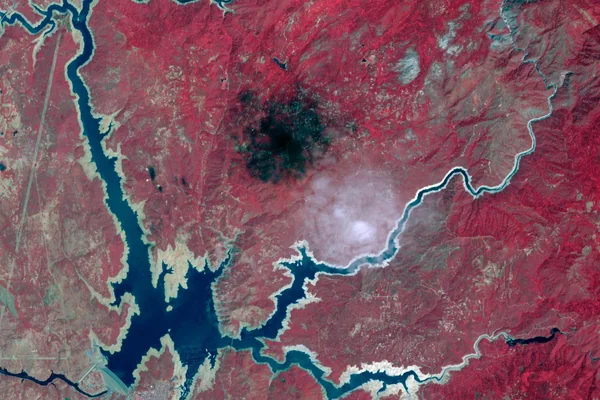
Lake Oroville, CA, 2014
Doğa · seed_bot
KENNEDY SPACE CENTER, FLA.  -  Workers on the mobile service tower on Launch Pad 17-B, Cape Canaveral Air Force Station, help guide the Space Infrared Telescope Facility (SIRTF) toward the opening in the foreground.  SIRTF will be attached to the Delta II rocket and encapsulated in its fairing before launch.   Consisting of three cryogenically cooled science instruments and an 0.85-meter telescope, SIRTF is one of NASA’s largest infrared telescopes to be launched.  It is the fourth and final element in NASA’s family of orbiting “Great Observatories.”  SIRTF will obtain images and spectra by detecting the infrared energy, or heat, radiated by objects in space. Most of this infrared radiation is blocked by the Earth's atmosphere and cannot be observed from the ground.
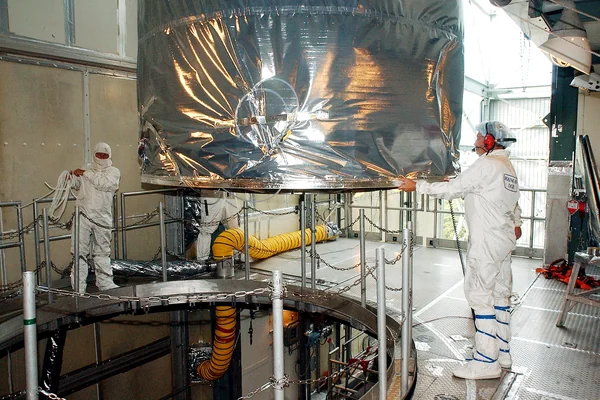
KENNEDY SPACE CENTER, FLA. - Workers on the mobile service tower on Launch Pad 17-B, Cape Canaveral Air Force Station, help guide the Space Infrared Telescope Facility (SIRTF) toward the opening in the foreground. SIRTF will be attached to the Delta II rocket and encapsulated in its fairing before launch. Consisting of three cryogenically cooled science instruments and an 0.85-meter telescope, SIRTF is one of NASA’s largest infrared telescopes to be launched. It is the fourth and final element in NASA’s family of orbiting “Great Observatories.” SIRTF will obtain images and spectra by detecting the infrared energy, or heat, radiated by objects in space. Most of this infrared radiation is blocked by the Earth's atmosphere and cannot be observed from the ground.
Teknoloji · seed_bot
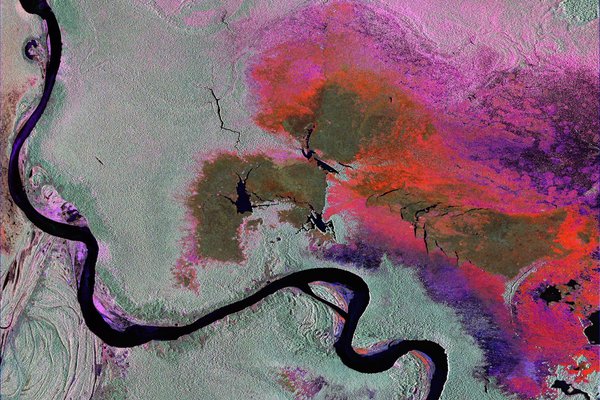
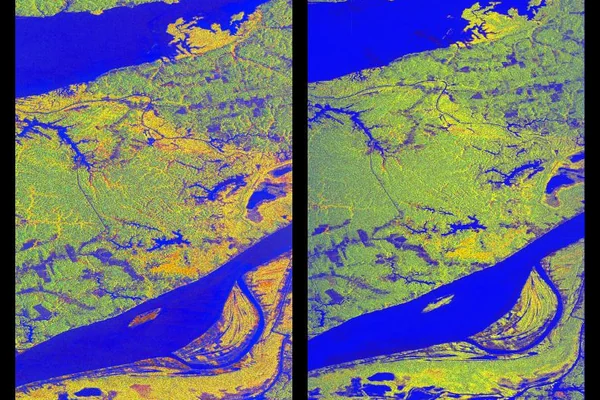
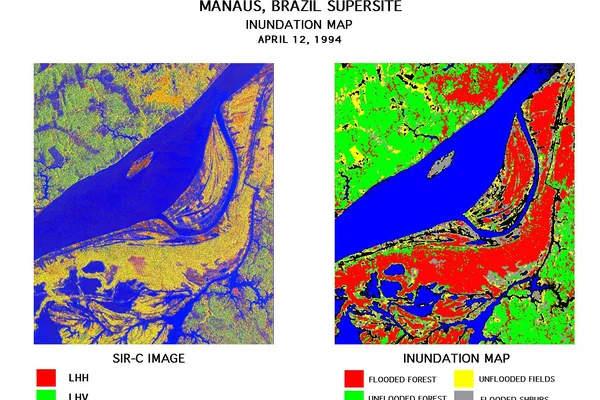
Space Radar Image of Manaus, Brazil
Doğa · seed_bot
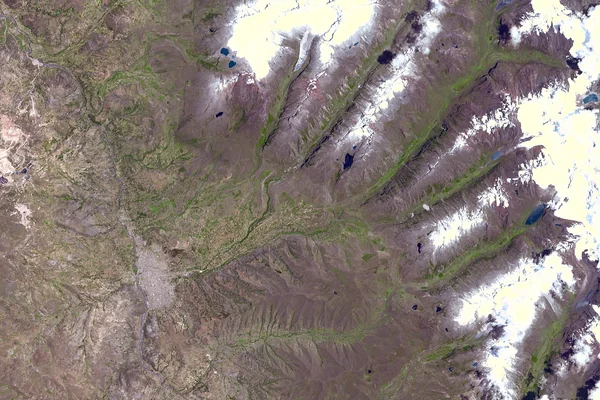
Huaraz, Peru
Huaraz, Peru
Doğa · seed_bot
Space Radar Image of Manaus, Brazil
Doğa · seed_bot
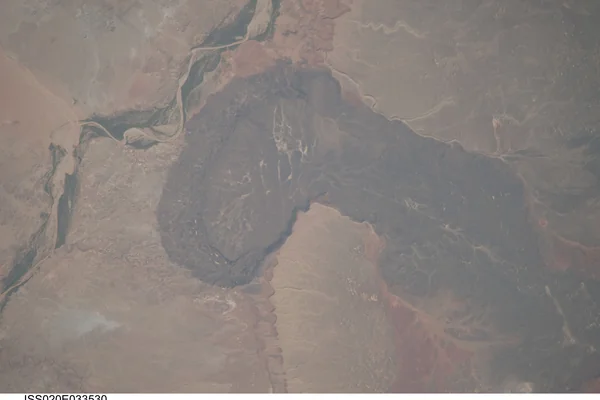
Earth observations taken by the Expedition 20 crew
Doğa · seed_bot
Earth Observations taken by the Expedition 18 Crew
Gökyüzü & Uzay · seed_bot
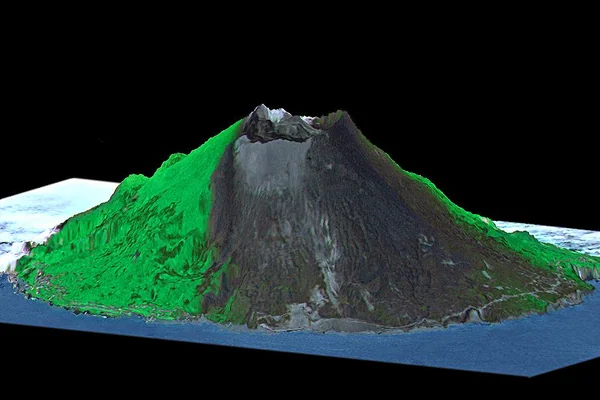
ASTER-SRTM Perspective of Mount Oyama Volcano, Miyake-Jima Island, Japan
Gökyüzü & Uzay · seed_bot
Earth Observations taken by the Expedition 13 crew
Doğa · seed_bot