Uçan Kartal 6
Uçan Kartal 6
Hayvanlar · seed_bot
Nehir Kıyısı 9
Nehir Kıyısı 9
Doğa · seed_bot
Çam Ormanı 10
Çam Ormanı 10
Doğa · seed_bot
Uçan Kartal 9
Uçan Kartal 9
Hayvanlar · seed_bot
Uçan Kartal 11
Uçan Kartal 11
Hayvanlar · seed_bot
Gökkuşağı 11
Gökkuşağı 11
Gökyüzü & Uzay · seed_bot
Uçan Kartal 13
Uçan Kartal 13
Hayvanlar · seed_bot
Uçan Kartal 15
Uçan Kartal 15
Hayvanlar · seed_bot
Artistik Portre 13
Artistik Portre 13
Portre & Moda · seed_bot
Dövüş Sanatları 3
Dövüş Sanatları 3
Aksiyon & Spor · seed_bot
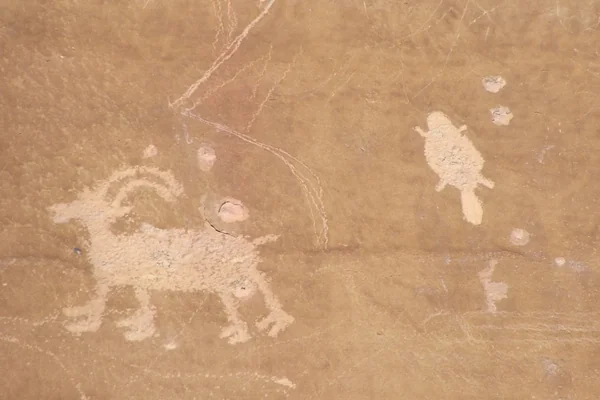
Sego Canyon rock art and gunshots
Doğa · seed_bot
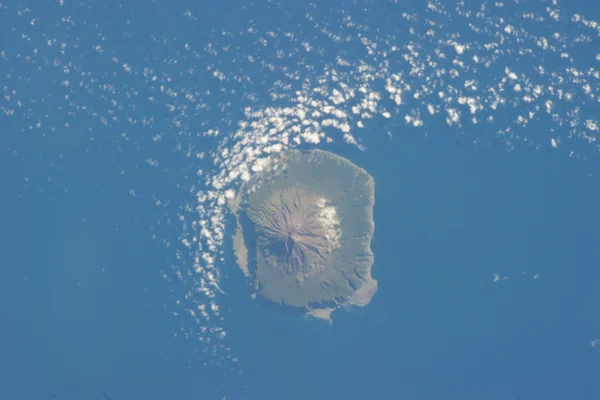
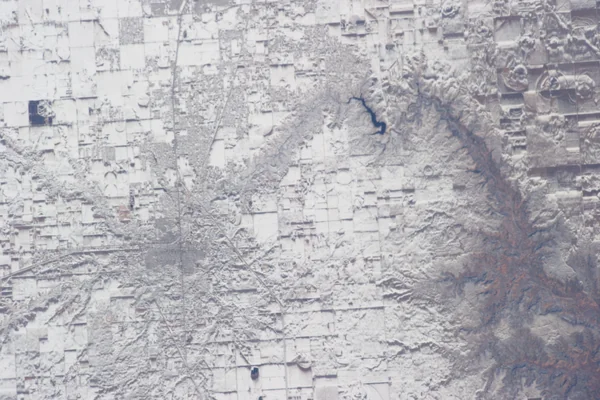
Earth Observations taken by Expedition 34 crewmember
Hayvanlar · seed_bot
Fine Art Black & White Portrait Sensual Fiona-8308
Portre & Moda · seed_bot
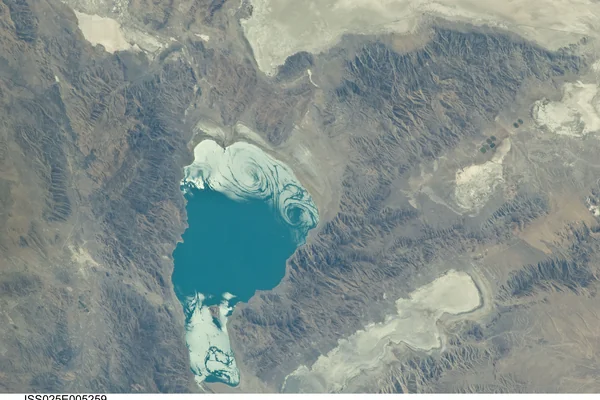
Earth Observations taken by the Expedition 25 crew
Doğa · seed_bot
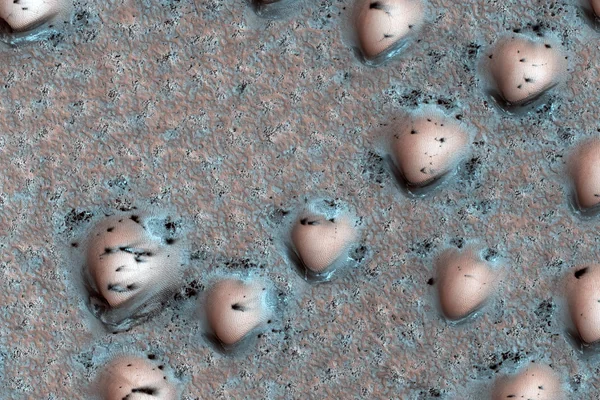
A Martian Game Board
Doğa · seed_bot
Dr Martens 'How to Wear' campaign
Portre & Moda · seed_bot
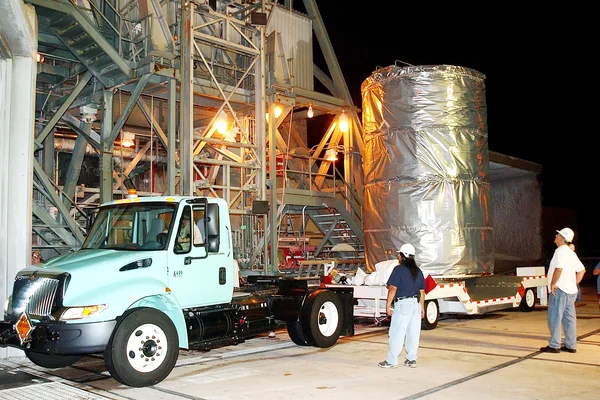
KENNEDY SPACE CENTER, FLA.  -  Before dawn, the Space Infrared Telescope Facility (SIRTF) arrives at Launch Pad 17-B, Cape Canaveral Air Force Station, where it will be lifted into the mobile service tower and prepared for launch.  SIRTF consists of three cryogenically cooled science instruments and an 0.85-meter telescope, and is one of NASA’s largest infrared telescopes to be launched.  It is the fourth and final element in NASA’s family of orbiting “Great Observatories.”  SIRTF will obtain images and spectra by detecting the infrared energy, or heat, radiated by objects in space. Most of this infrared radiation is blocked by the Earth's atmosphere and cannot be observed from the ground.
KENNEDY SPACE CENTER, FLA. - Before dawn, the Space Infrared Telescope Facility (SIRTF) arrives at Launch Pad 17-B, Cape Canaveral Air Force Station, where it will be lifted into the mobile service tower and prepared for launch. SIRTF consists of three cryogenically cooled science instruments and an 0.85-meter telescope, and is one of NASA’s largest infrared telescopes to be launched. It is the fourth and final element in NASA’s family of orbiting “Great Observatories.” SIRTF will obtain images and spectra by detecting the infrared energy, or heat, radiated by objects in space. Most of this infrared radiation is blocked by the Earth's atmosphere and cannot be observed from the ground.
Teknoloji · seed_bot
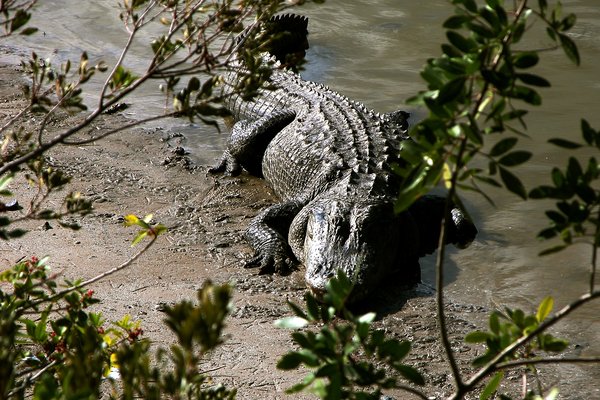
Fraktal Sanat 3
Fraktal Sanat 3
Soyut & Sanat · seed_bot
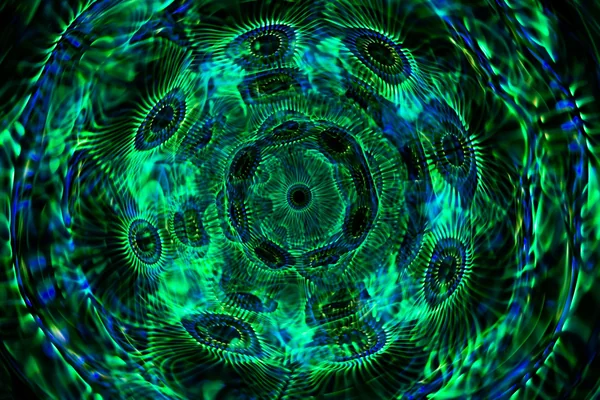
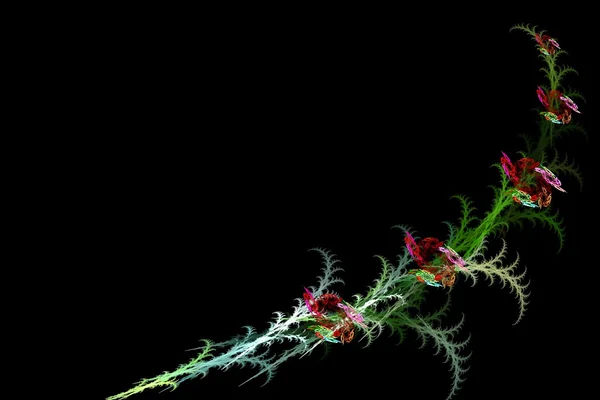
Apophysis Fractal Art
Soyut & Sanat · seed_bot
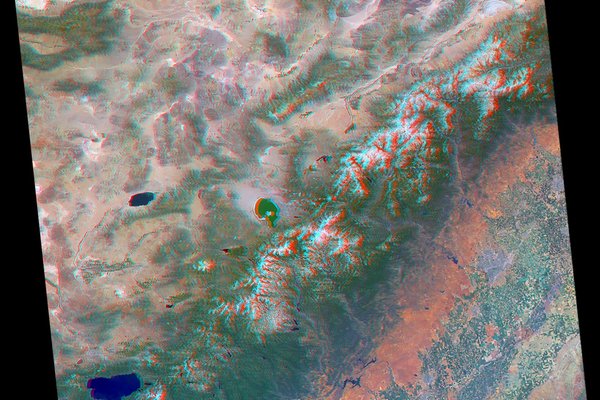
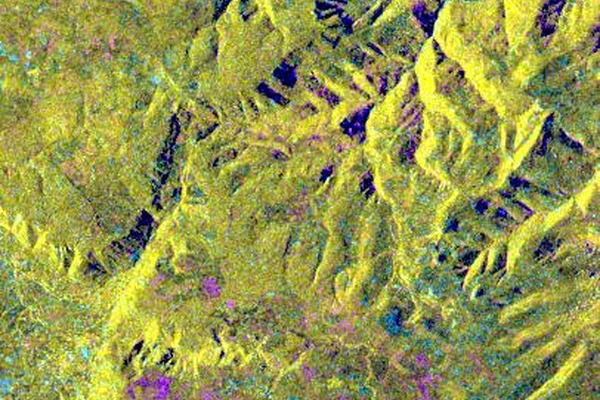
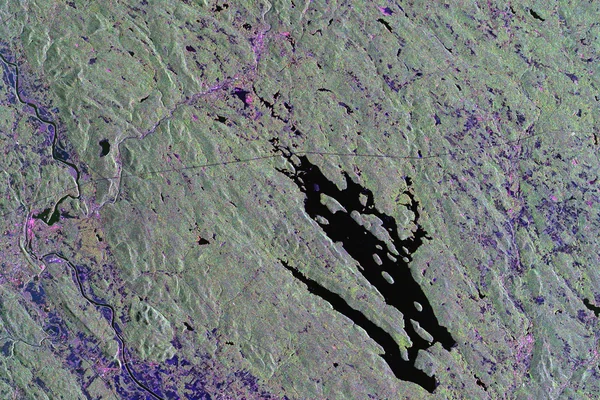
Space Radar Image of Lozere Department, Mende, France
Doğa · seed_bot
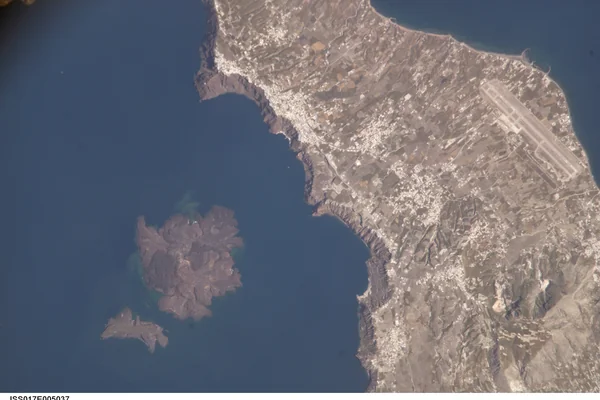
Earth Observations taken by the Expedition 17 Crew
Gökyüzü & Uzay · seed_bot
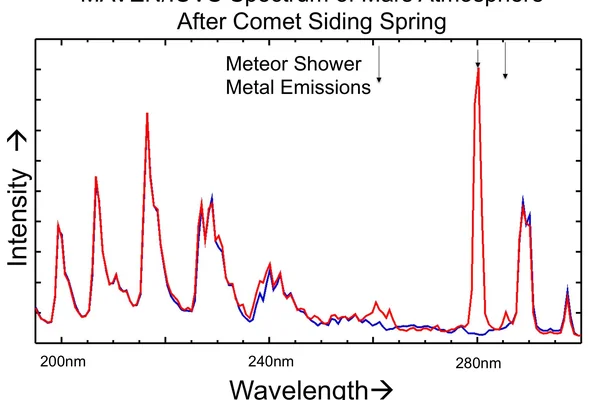
Comet Meteor Shower Put Magnesium and Iron into Martian Atmosphere
Gökyüzü & Uzay · seed_bot
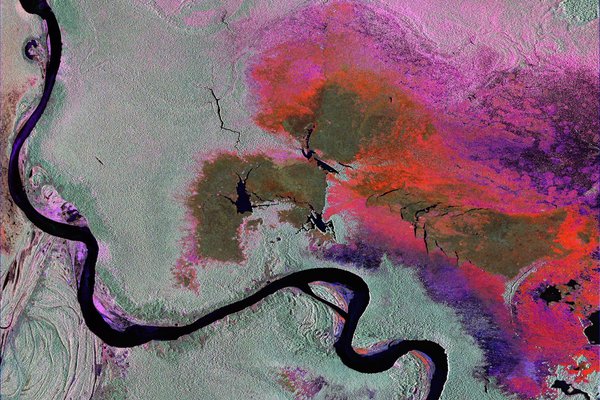
Space Radar Image of Harvard Forest
Doğa · seed_bot
Earth Observations taken by Expedition 34 crewmember
Doğa · seed_bot